If you often experience a sharp pain or discomfort when consuming hot or cold foods, you may be suffering from sensitive teeth. This common dental issue can make eating and drinking a painful experience, but there are ways to improve it. By understanding the causes of sensitive teeth and implementing effective solutions, you can enjoy a more comfortable and pain-free oral health experience.
Understanding the Causes of Sensitive Teeth
Sensitive teeth can be caused by a variety of factors, including enamel erosion, gum recession, tooth decay, and even brushing too hard. When the protective outer layer of your teeth, known as enamel, wears down, it exposes the underlying dentin which contains tiny nerve endings. This exposure to external stimuli like hot or cold temperatures can lead to sensitivity and discomfort. In addition, receding gums can expose the roots of your teeth, which are also sensitive to certain triggers.
Another common cause of sensitive teeth is tooth decay, which can result in cavities that expose the nerves of your teeth. Poor oral hygiene practices, such as not brushing and flossing regularly, can also contribute to tooth sensitivity. Additionally, certain lifestyle habits like consuming acidic foods and drinks, grinding your teeth, or using abrasive toothpaste can further exacerbate sensitivity.
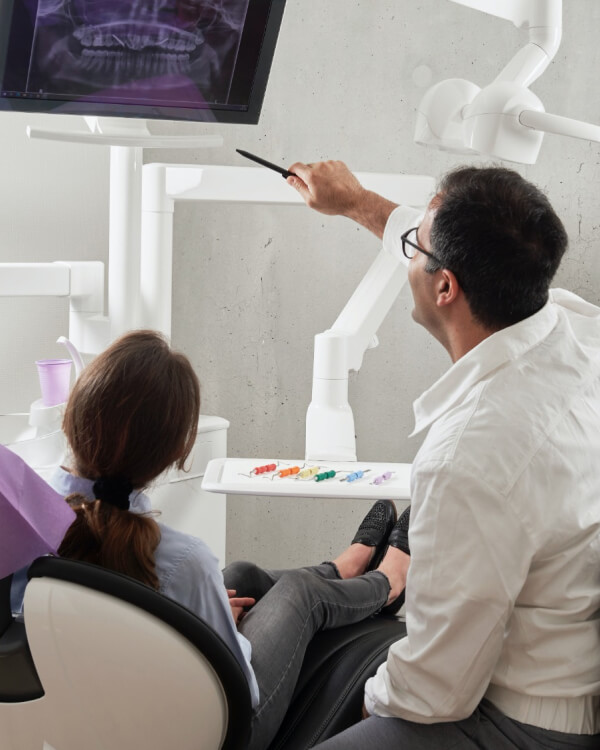
To determine the root cause of your sensitive teeth, it’s important to consult with a dental professional who can conduct a thorough examination and provide personalized recommendations for treatment. By addressing the underlying issues contributing to your tooth sensitivity, you can take proactive steps towards improving your oral health and overall well-being.
Effective Solutions for Improving Tooth Sensitivity
One of the most effective solutions for improving tooth sensitivity is using a toothpaste specifically designed for sensitive teeth. These toothpastes typically contain ingredients like potassium nitrate or stannous fluoride, which help to desensitize the nerves in your teeth and provide relief from discomfort. It’s important to use these toothpastes consistently for optimal results.
In addition to using specialized toothpaste, you can also make lifestyle changes to help improve tooth sensitivity. Avoiding acidic foods and drinks, using a soft-bristled toothbrush, and practicing proper oral hygiene can all make a significant difference in reducing sensitivity. If you grind your teeth at night, wearing a mouthguard can help protect your teeth from further damage and alleviate sensitivity.
For more severe cases of tooth sensitivity, your dentist may recommend treatments like fluoride varnishes, dental sealants, or in-office desensitizing treatments. These interventions can help strengthen your enamel, protect your teeth from further damage, and provide long-lasting relief from sensitivity. By working closely with your dental provider and following their recommendations, you can effectively manage and improve your tooth sensitivity over time.
Improving tooth sensitivity is possible with the right knowledge and treatment options. By understanding the causes of sensitive teeth and implementing effective solutions, you can take control of your oral health and enjoy a more comfortable experience when eating and drinking. Remember to consult with your dentist regularly and prioritize good oral hygiene practices to maintain a healthy and pain-free smile.