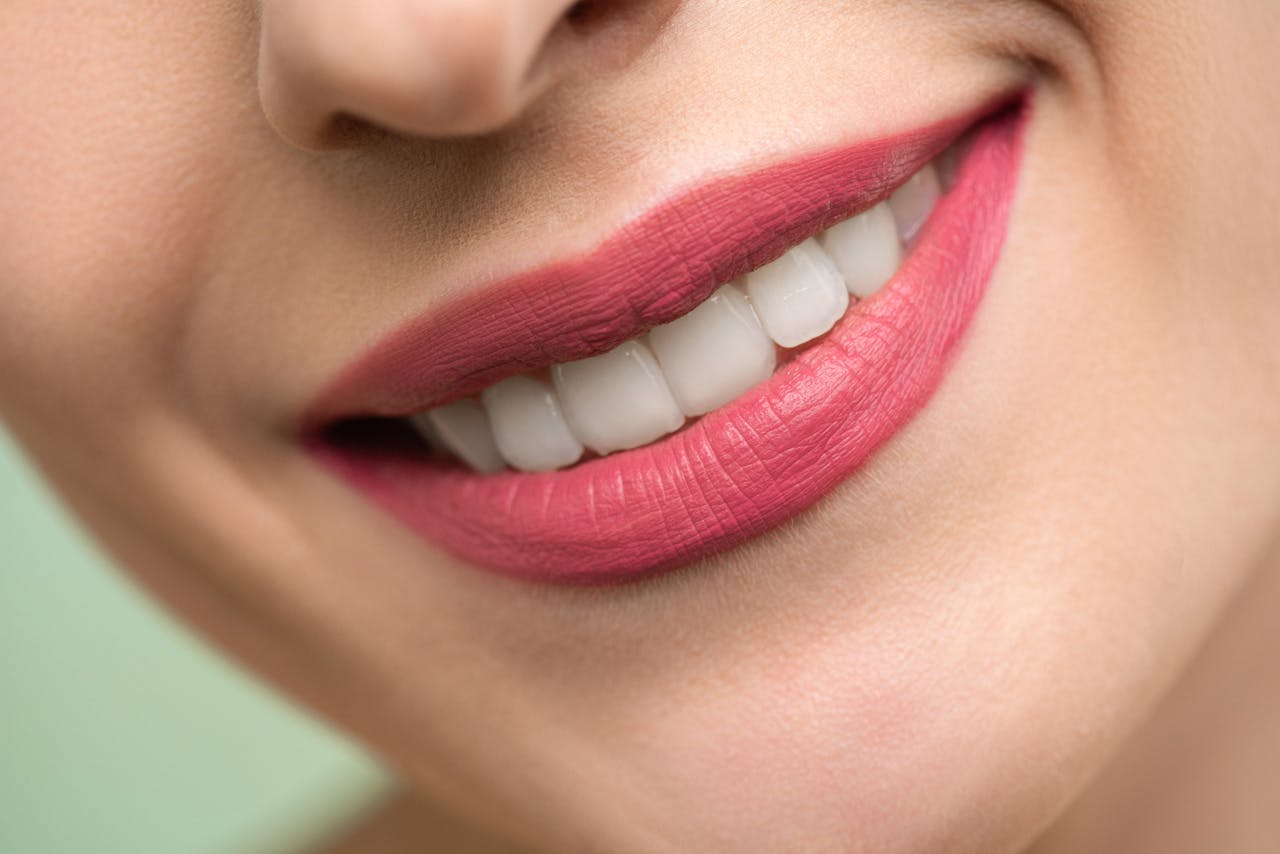
Do you often experience discomfort or pain when eating or drinking hot or cold foods? You may be dealing with sensitive teeth. But fear not, there are various methods and strategies that can help improve this common dental issue. In this article, we will explore some tips and tricks to find relief for sensitive teeth, as well as strategies to embrace a sensitivity-free smile.
Finding Relief for Sensitive Teeth: Tips and Tricks
-
Use a Desensitizing Toothpaste: One of the easiest ways to improve tooth sensitivity is by switching to a desensitizing toothpaste. These toothpastes contain compounds that help block the pain signals sent by the nerves in your teeth. Make sure to use it consistently for best results.
-
Avoid Acidic Foods and Drinks: Acidic foods and drinks can wear down the enamel on your teeth, making them more sensitive. Try to reduce your consumption of citrus fruits, soda, and other acidic items. Opt for alkaline foods like bananas and spinach to help neutralize acid in your mouth.
-
Visit Your Dentist Regularly: Regular dental check-ups are crucial for maintaining good oral health. Your dentist can identify and treat any underlying issues that may be causing your tooth sensitivity. They may also recommend treatments like fluoride varnishes or dental sealants to help strengthen your enamel.
Embracing a Sensitivity-Free Smile: Strategies to Improve Dental Health
-
Practice Good Oral Hygiene: Brushing and flossing regularly is key to preventing tooth sensitivity. Make sure to use a soft-bristled toothbrush and gentle brushing technique to avoid further enamel erosion. Consider using a fluoride mouthwash to help strengthen your teeth.
-
Watch Your Diet: A balanced diet plays a significant role in maintaining healthy teeth. Include foods rich in calcium, such as dairy products and leafy greens, to strengthen your enamel. Limit sugary snacks and drinks, as they can contribute to tooth decay and sensitivity.
-
Consider Dental Treatments: In severe cases of tooth sensitivity, your dentist may recommend treatments like bonding, crowns, or inlays to protect your teeth. These procedures can help cover exposed dentin or repair damaged enamel, reducing sensitivity and improving your overall dental health.
By incorporating these tips and strategies into your daily routine, you can effectively manage and improve tooth sensitivity. Remember, taking care of your oral health is essential for a beautiful and healthy smile. Don’t hesitate to seek professional advice from your dentist if you continue to experience sensitivity, as they can provide personalized recommendations to address your specific needs. Here’s to a sensitivity-free smile and better dental health!